


Coolant packs for temperature-controlled shipping
Gel packs, shape-stable Foam Bricks and phase change material (PCM) packs help maintain the required product temperature as part of a matched packaging configuration.
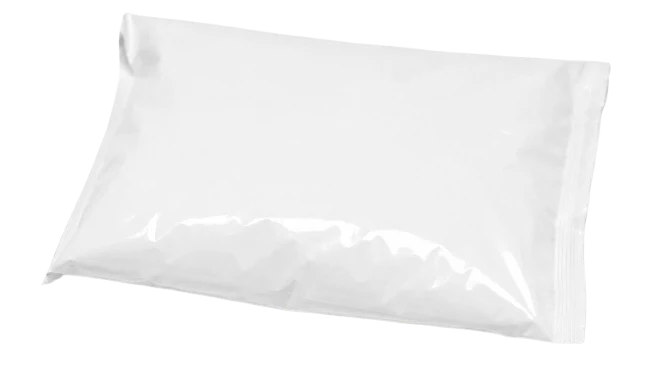
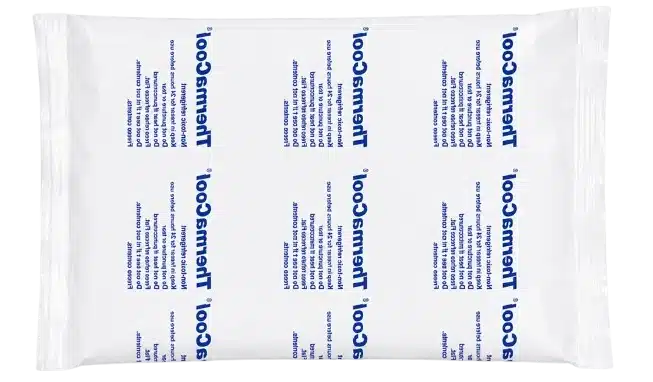

Choose the right coolant format

Gel packs
From economical packs for single-use applications to robust film formats suited to repeated use.

Foam Bricks
A stable foam core retains its shape. Standard formats and cost-effective custom sizes support a defined packout.

PCM packs
Phase change materials support temperature control above and below freezing. Formats with and without chamfers are available in different geometries.
Select the complete thermal configuration
The quality, type, quantity and placement of coolant packs all affect temperature control and hold time. These choices form part of a shipping process designed to meet the applicable good distribution practice (GDP) requirements.
THERMOCON offers coolant packs for different temperature ranges and shipping durations, from cost-effective gel packs to packs filled with phase change materials selected for specific thermal requirements. Our team can help you assess the appropriate solution.
Common product temperature ranges
Controlled room temperature
+15 to +25 °C (CRT)
Refrigerated
+2 to +8 °C
Frozen
Below −15 °C
These ranges are common in pharmaceutical, biotechnology and medical applications, including serums and active ingredients. Gel packs, Foam Bricks and PCM packs can be selected for refrigerated and controlled room temperature packouts. The coolant and its preparation must suit the required temperature and complete configuration.
Looking for an alternative to dry ice?
Gel packs, Foam Bricks and PCM packs may be used in suitable frozen packouts. The packs themselves are not classified as hazardous materials. Assess the complete shipment against the product requirements, packout, route, carrier rules and applicable regulations.
Dry ice is solid carbon dioxide (CO₂). It sublimates directly from solid to gas at approximately −78.5 °C and can be used only once. Improper handling can cause cold burns and create storage and transport risks. Air shipments involving dry ice (UN 1845) are subject to dangerous goods requirements; road requirements depend on the route and jurisdiction.
For suitable applications, PCM with a melting point of −21 °C can provide an alternative. The frozen-pack preparation described here uses −30 to −40 °C. Follow the instructions for the selected product and packout.
Questions about coolant packs
How do gel packs and Foam Bricks differ?
Gel packs provide a flexible coolant format. Foam Bricks contain a foam core that helps them retain a defined shape during freezing, handling and packing.
When should I consider PCM packs?
Consider the required product temperature, shipping duration and thermal configuration. Phase change materials can be selected to support a defined temperature range.
Does a coolant pack have a fixed shipping duration?
No. Performance depends on the insulated shipper, payload, coolant quantity and placement, preconditioning and ambient conditions.
Are custom formats available?
Custom sizes are available for selected products. Contact our team with your dimensions, quantity and application.
How are coolant packs prepared?
Follow the product-specific and packout-specific instructions. Preconditioning temperature and time must match the intended application.
Match the coolant to your shipment
Tell us your product temperature, payload, shipping duration and insulated shipper. We can help you compare pack formats and configurations.